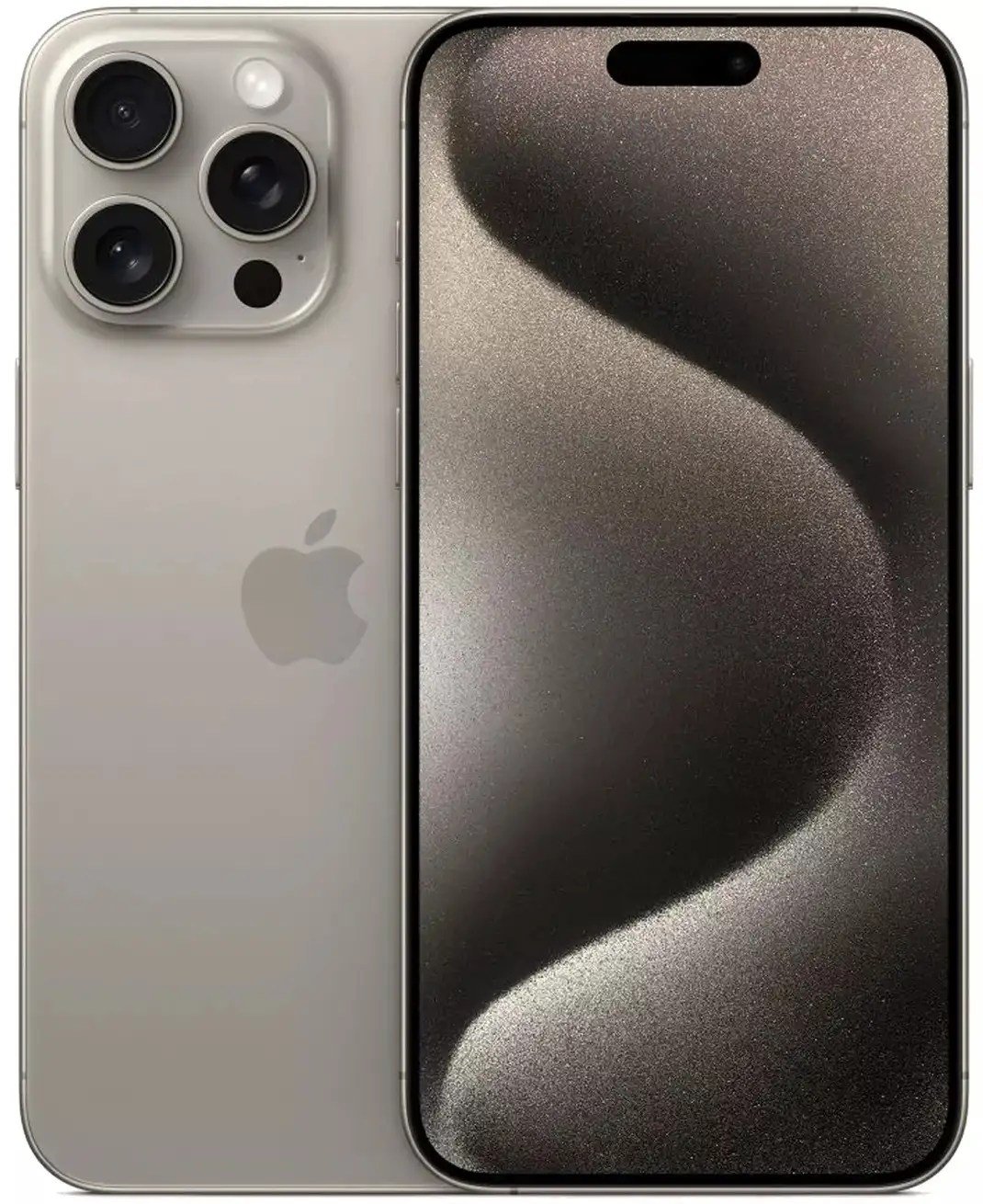
Deciding on a new flagship phone is rarely a simple task, especially when Apple unveils its latest marvels. With the new iPhone 16 Pro Max hitting shelves, you might be asking yourself: Is this truly the device for me, or are there other excellent contenders, perhaps even within Apple's own ecosystem or from earlier generations, that offer a better blend of features and value? Diving into the Best iPhone 16 Pro Max Alternatives & Older Model Considerations means looking beyond the hype to find the perfect fit for your digital life.
This guide is for anyone wrestling with that decision, whether you're eyeing an upgrade from an older iPhone or contemplating a leap to Android. We'll cut through the noise, give you the unvarnished truth, and help you make a choice you won't regret.
At a Glance: Your Quick iPhone 16 Pro Max Decision Guide
- iPhone 16 Pro Max: Ideal for those who want the absolute pinnacle of Apple's tech, prioritizing a huge screen, top-tier cameras (including the new tetraprism telephoto), maximum battery life, and the A18 Bionic's cutting-edge performance.
- Older iPhone Models (12-15 Series): Upgrading becomes progressively more compelling the older your current iPhone. Users of iPhone 12 models will see a massive leap, while iPhone 15 users might only upgrade for Apple Intelligence or specific camera features.
- iPhone 16 (Base Model): A fantastic alternative if you love iOS but want a more compact (6.1-inch) and budget-friendly option, now sporting the Action button, Camera Control, and a 48MP main camera.
- Android Flagships (Pixel 9 Pro, Galaxy S24, OnePlus 12): Offer diverse experiences with strong cameras, vibrant displays, unique AI features, and often better value or specific hardware advantages like faster charging or higher RAM.
- Consider Your Needs: Don't just chase specs. Think about your budget, camera priorities, desired screen size, battery demands, and whether you're committed to the Apple ecosystem or open to exploring Android's flexibility.
The Big Question: Is the iPhone 16 Pro Max Actually Your Best Bet?
The iPhone 16 Pro Max arrives with a hefty $1,199 price tag, promising unparalleled performance, a sprawling display, and a camera system designed to capture the world in exquisite detail. It's a powerhouse, no doubt, but "best" is a subjective term. For some, its size might be unwieldy; for others, the premium features might simply be overkill for their daily needs. Perhaps you're looking for different software capabilities, or simply a better bang for your buck.
Before you commit, let's explore if this premium device truly aligns with your expectations and usage patterns.
Your Current iPhone: Time to Upgrade, or Hold Out?
One of the most common dilemmas for iPhone users is knowing when the right time to upgrade really is. Apple's iOS 18 update extends support to iPhones up to six years old, meaning even an iPhone XS or XR from 2018 is still getting new software features. This longevity is a huge win for consumers, but hardware advancements continue at a rapid pace.
Here's a breakdown by your current iPhone model, offering clarity on whether an upgrade to an iPhone 16 model – including the Pro Max – makes sense for you.
From an iPhone 15 / iPhone 15 Plus (1 Year Old)
If you picked up an iPhone 15 or 15 Plus last year, you're running on the powerful A16 Bionic chip. Upgrading to any iPhone 16 model now means jumping two generations to the new A18 chipset. You'll gain new features like the Action button and Camera Control, along with an ultrawide camera capable of Macro photos. Screen sizes remain consistent, so no major change there.
The biggest differentiator here will be Apple Intelligence. If you deeply value these new AI features, and want them supported on-device rather than relying on cloud processing (which the A16 Bionic in your current phone cannot do for on-device Apple Intelligence), then an upgrade makes sense. Otherwise, your iPhone 15 is still an excellent, high-performing device.
From an iPhone 14 Pro / iPhone 14 Pro Max (2 Years Old)
Your iPhone 14 Pro or Pro Max is still a very capable device, running on the A16 Bionic chip. However, an upgrade to an iPhone 16 Pro model brings several compelling hardware enhancements. You'll get the new Camera Control button and the Action button, a lighter and more durable titanium frame, and the shift to USB-C for charging and data transfer. Crucially, camera enthusiasts will appreciate the improved tetraprism telephoto lens (now standard across all Pro models), the Fusion main camera, and a significantly upgraded 48MP ultrawide shooter. While your A16 Bionic still performs admirably, the camera upgrades alone might be enough to justify the jump, especially if you're a keen photographer. For those wondering, is iPhone 16 Pro Max worth it for its camera alone? For serious mobile photographers, it very well might be.
From an iPhone 14 / iPhone 14 Plus (2 Years Old)
Moving from an iPhone 14 or 14 Plus to an iPhone 16 offers a noticeable, impactful upgrade. You'll experience a significant leap from a 12MP to a 48MP main camera, which not only captures more detail but also enables a 2x optical zoom effect through clever cropping. Expect noticeably brighter displays and a substantial performance boost from the A15 Bionic to the A18 Bionic. This isn't just a minor tweak; it's a difference you'll feel in daily use, from app loading to gaming to future-proofed AI features.
From an iPhone 13 Pro / iPhone 13 Pro Max (3 Years Old)
If you're still rocking an iPhone 13 Pro or Pro Max, you've enjoyed a great phone for three years. However, the iPhone 16 Pro offers substantial differentiation. You're looking at a jump from a 12MP camera sensor to a 48MP one, the replacement of the notched display with the Dynamic Island, and a modern A18 Bionic chip replacing your A15. While your current Pro model is certainly still usable, the iPhone 16 Pro delivers a suite of enhancements, especially in photography and display technology, that were introduced since the iPhone 14 Pro generation and further refined.
From an iPhone 13 / iPhone 13 mini (3 Years Old)
For iPhone 13 and 13 mini users, an upgrade to any iPhone 16 model will feel like a substantial leap forward. You'll move from the A15 Bionic to the A18 Bionic silicon, gaining access to Apple Intelligence features, significantly better cameras, and longer battery life. You'll also finally get the Dynamic Island and new physical buttons like the Action button. For those holding onto an iPhone 13 mini, the 6.1-inch iPhone 16 remains a relatively compact option, even if slightly larger than your current device. This represents a strong value upgrade.
From Any iPhone 12 Model (4 Years Old) or Older
If you're using an iPhone 12, 12 mini, 12 Pro, or 12 Pro Max – or any older model – an upgrade is highly recommended. These phones lack key modern features like 120Hz ProMotion displays (even the 12 Pro Max has a 60Hz screen), run on the A14 Bionic chip, and use 12MP camera sensors that are now generations behind. Battery life is also significantly less competitive. An iPhone 16, let alone a Pro Max, will provide dramatically better cameras, significantly faster processors, larger and more efficient batteries, and access to all the future AI features Apple is rolling out. This upgrade won't just be noticeable; it will fundamentally transform your daily phone experience.
Beyond Apple's Walls: Top iPhone 16 Pro Max Alternatives
Perhaps you love the idea of a premium smartphone, but the iPhone 16 Pro Max isn't quite right, whether for its price, iOS preference, or specific features. The good news is the market is teeming with fantastic alternatives, both from Apple itself and the Android ecosystem.
Before diving into specific models, consider these core decision criteria:
- Operating System Preference: Are you locked into iOS, or open to Android?
- Ecosystem Integration: How deeply invested are you in Apple's ecosystem (AirPods, Apple Watch, Mac)?
- Camera Priority: What kind of photos and videos do you take most? Is a telephoto lens crucial?
- Battery Life: Is all-day (or even two-day) power a must-have?
- Budget: What's your absolute maximum spend?
- Special Features: Do you value AI, specific charging speeds, or other unique elements?
Apple's Own Contender: The iPhone 16 (Base Model)
Don't overlook Apple's non-Pro offering. The standard iPhone 16 might be the perfect fit if you want a premium iOS experience without the Pro Max's bulk or price tag. Starting at $799, it's a more value-oriented option with a still-generous 6.1-inch Super Retina XDR display.
This year, the base iPhone 16 gains the coveted Action button and the new Camera Control button. It features a vertical camera layout that enables Spatial Photos/Video, along with upgraded 48MP primary and 12MP ultrawide cameras, including macro capability. You'll still get that fast A18 Bionic chip. What you'll miss compared to the Pro Max are the 120Hz ProMotion display, the tetraprism telephoto camera, and the option for 1TB storage. If those aren't deal-breakers, the iPhone 16 is a very compelling alternative to its bigger, pricier sibling.
The Google Powerhouses: Pixel 9 Pro & Pixel 9
If you're open to the Android ecosystem and value cutting-edge AI features, Google's Pixel lineup is a strong contender. Known for its pure Android experience and computational photography prowess, the Pixel 9 series offers a compelling alternative.
- Google Pixel 9 Pro: This 6.3-inch Android device boasts a stunning 120Hz Super Actua OLED display that can hit a scorching 3,000 nits peak brightness (compared to the iPhone 16 Pro Max's 2,000 nits). Powered by Google's Tensor G4 chip and a generous 16GB RAM (versus 8GB in the iPhone 16 Pro Max), it runs Android 14 with deep Google Gemini AI integration. Google also promises an industry-leading 7 years of software updates. Its triple camera system is impressive: 50MP primary, 48MP ultrawide, and a 48MP telephoto with 5x optical zoom, plus a 42MP selfie camera. You won't find the Action or Camera Control buttons here, but Google's software experience is uniquely fluid.
- Google Pixel 9: Starting at $799, the base Pixel 9 offers a similar 6.3-inch screen size with a 120Hz display and 2,700 nits peak brightness. It uses the same Tensor G4 chip, 12GB RAM, and a substantial 4,700mAh battery. The dual camera system (50MP primary, 48MP ultrawide) leverages Google's renowned computational photography, making up for the lack of a telephoto lens with smart digital zoom. A 10.5MP selfie camera rounds out the package. For a pure Android experience with top-tier AI and camera performance without the Pro Max price, the Pixel 9 series is excellent.
Samsung's Flagship: The Galaxy S24
Samsung's Galaxy S24 (not to be confused with the larger S24 Ultra) offers a compact, premium Android experience. This 6.2-inch LTPO AMOLED phone features a dynamic 120Hz refresh rate (1Hz-120Hz) and a bright 2,600 nits peak brightness. Under the hood, it's powered by the Snapdragon 8 Gen 3 for Galaxy chip, paired with 8GB RAM, ensuring swift performance.
Its triple camera system is versatile: a 50MP primary, a 10MP telephoto with 3x optical zoom, and a 12MP ultrawide camera. Samsung has also poured significant resources into AI features, offering unique photo editing and productivity tools. The Galaxy S24 is often available with attractive deals, making it a strong alternative to consider if you're looking for a slightly smaller, feature-rich Android flagship. For some, the Android platform itself is a key differentiator, and is iPhone 16 Pro Max worth it if you prefer Android? Clearly not.
The Value Champion: OnePlus 12
If you're seeking a large-screen Android phone that offers exceptional value without compromising on flagship specs, the OnePlus 12 is a standout. This 6.8-inch device boasts a stunning LTPO AMOLED curved display with an ultra-bright 4,500 nits peak brightness and a smooth 120Hz refresh rate. It runs on the powerful Snapdragon 8 Gen 3 chip, comes with 12GB-16GB RAM, and a massive 5,400mAh battery, often providing two-day usage.
OnePlus is also known for its rapid charging, supporting 80W wired (in the U.S.) and 50W wireless charging. Its Hasselblad-tuned camera system includes a 50MP primary, a 64MP periscope telephoto with 3x optical zoom, a 48MP ultrawide, and a 32MP selfie camera, delivering impressive photo quality. Starting around $800, often with trade-in deals, the OnePlus 12 punches well above its weight class, making it a serious contender against even the most premium devices.
Making the Right Choice: Key Considerations for Your Next Phone
Navigating the sea of options can feel overwhelming. To simplify, let's distill your decision-making process into a few core areas.
Budget & Value
The iPhone 16 Pro Max is a premium device with a premium price. Are you comfortable with that investment? Sometimes, the "best" phone isn't the most expensive, but the one that offers the most value for your specific needs. Consider older models, Apple's base iPhone 16, or the Android flagships like the OnePlus 12 which offer top-tier specs at a more accessible price point.
Camera Needs: What Really Matters to You?
The iPhone 16 Pro Max has an incredible camera system, but so do the alternatives.
- Telephoto Zoom: Do you frequently zoom in on distant subjects? The Pro Max's tetraprism telephoto and Pixel 9 Pro's 5x optical zoom are excellent. The Galaxy S24 and OnePlus 12 also offer great optical zoom.
- Ultrawide & Macro: Many phones now offer excellent ultrawide lenses. The iPhone 16 (base) and Pixel phones also offer strong macro capabilities.
- Computational Photography: Google's Pixel phones are renowned for their AI-driven photo processing, often producing stunning results with minimal effort.
- Video: iPhones are traditionally leaders in video quality. If professional-grade video is your priority, the Pro Max is hard to beat.
Screen Size & Refresh Rate
The 16 Pro Max offers a large, immersive display. Do you need that much screen real estate, or would a 6.1-inch iPhone 16 or 6.2-inch Galaxy S24 be more comfortable to handle? The 120Hz ProMotion display on the Pro Max offers incredibly smooth scrolling. Most Android flagships also boast 120Hz, with some like the Galaxy S24 offering adaptive refresh rates that conserve battery. The base iPhone 16 sticks to 60Hz. This can be a noticeable difference for many users.
Battery Life: Power Through Your Day (or Two)?
The iPhone 16 Pro Max is known for its exceptional battery life, often lasting well over a day. If extended battery life is paramount, it's a strong choice. However, alternatives like the OnePlus 12 with its massive 5,400mAh battery and fast charging capabilities can also offer multi-day usage for many. Even the Pixel 9 Pro offers excellent all-day battery performance.
Ecosystem & OS Preference
This is a fundamental choice. Are you deeply embedded in Apple's ecosystem (iMessage, FaceTime, AirDrop, Apple Watch, etc.)? Switching to Android means learning a new interface, transferring data, and potentially losing some seamless integrations. Conversely, Android offers more customization, open file systems, and integration with Google services. There's no right or wrong answer here, only what fits your existing tech landscape and personal preferences.
Future-Proofing: AI and Beyond
With Apple Intelligence and Google Gemini leading the charge, AI is becoming a central feature of smartphones. The A18 Bionic in the iPhone 16 lineup and the Tensor G4 in the Pixel 9 series are designed with AI in mind. Both Apple and Google are committing to long-term software updates (7 years for Pixel, 5-6 years typically for iPhones). If having the latest AI capabilities and long-term support are priorities, factor these into your decision. Sometimes, is iPhone 16 Pro Max worth it for future AI features alone? For some users, absolutely.
Common Questions & Misconceptions
Let's clear up a few common questions that arise when considering a new phone.
"Is the iPhone 16 Pro Max always the 'best' choice?"
No. While it's objectively Apple's most powerful and feature-rich phone, "best" is subjective. If you prefer a smaller screen, don't need a telephoto lens, or simply prefer Android, the Pro Max won't be "best" for you. Its sheer size can be a drawback for many.
"How long will my old iPhone still get updates?"
As of iOS 18, Apple extends software updates to iPhones up to six years old. This means your iPhone 12, 13, 14, or 15 will continue to receive new features and security patches for years to come. This extended support is a huge advantage for older iPhones and often reduces the pressure to upgrade immediately.
"What about resale value?"
iPhones generally hold their resale value better than most Android phones, a significant consideration if you plan to upgrade frequently. This can offset some of the initial higher cost. However, a heavily discounted Android flagship, or an iPhone from the previous generation, might offer better immediate value if you're not planning to sell it quickly.
Your Next Steps: Charting Your Course
You now have a wealth of information to guide your decision. Take a moment to truly assess your personal needs and priorities.
- List Your Must-Haves: What features absolutely cannot be missing from your next phone (e.g., specific camera lens, screen size, battery life, OS)?
- Define Your Budget: How much are you genuinely willing to spend?
- Handle Test Phones: If possible, visit a store and physically hold the iPhone 16 Pro Max and some of its alternatives. Screen size and ergonomics are highly personal.
- Read Reviews: While this guide offers a comprehensive overview, deep-dive into reviews of your top contenders from multiple sources to catch any specific nuances.
- Consider the Ecosystem: If you're on the fence about Android, think about how it would integrate (or not) with your existing devices and services.
Ultimately, the best phone isn't the one with the highest specs or the biggest price tag; it's the one that seamlessly integrates into your life, fulfills your needs, and brings you joy every time you pick it up. Whether you opt for the latest iPhone 16 Pro Max, a smart alternative, or wisely decide to stick with your current, still-capable device, you're now equipped to make that choice with confidence. And if you're still weighing the specific value proposition, remember to ask yourself: Is iPhone 16 Pro Max worth it for my needs?